The Cold Studio in November: Painting When the Light Leaves Early
By four in the afternoon the light is already going. Not dramatically — it doesn't announce itself. It just thins, the way milk thins in water, until the colors on the canvas stop being what they were an hour ago. This is the part of November nobody tells you about when you decide to paint.
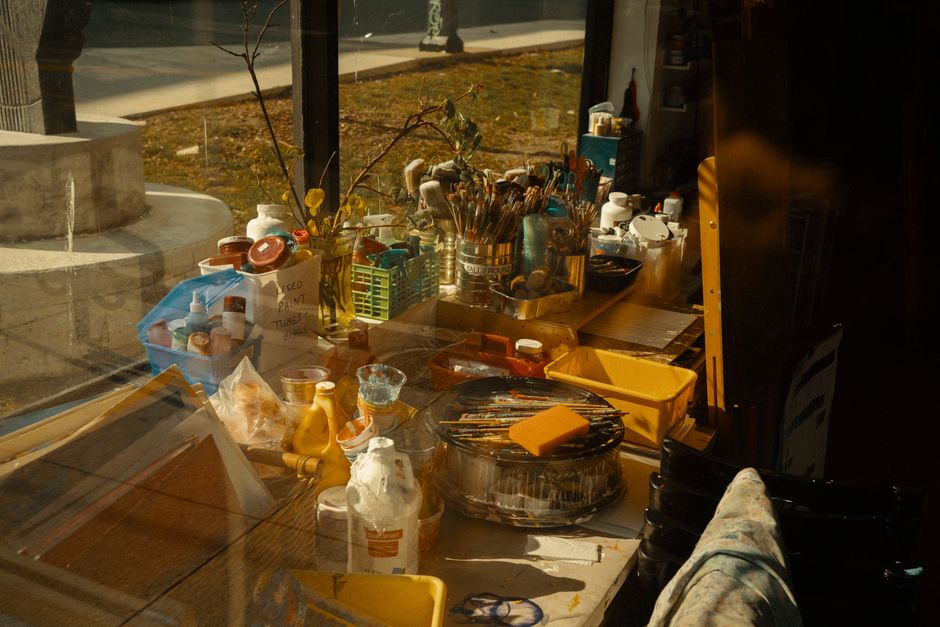
I've been working in a studio with one north-facing window for three years. In summer that window is a gift — steady, diffuse, honest. In November it becomes something else. The light arrives late and leaves early and in between it has a quality I can only describe as apologetic. Like it knows it's not enough.
What Changes When the Light Changes
The first thing you notice is the blues. They go flat. A cerulean that sang in September becomes a dull suggestion of itself by mid-November. You compensate by mixing warmer, which is the wrong instinct — you end up with mud. The right move is to stop compensating and let the painting be what it is in this light, which means accepting that some sessions are about observation, not resolution.
I've been reading about how painters in northern Europe historically structured their winters — shorter sessions, more drawing, more study. Less wet paint. There's something in that. The season asks for a different kind of attention. Over at Calitoy Muse there's been some writing about painting the same subject across seasons, which gets at this — the subject doesn't change, but your relationship to it does.
The Temperature Problem
Oil paint behaves differently in cold. It stiffens. The medium thickens. You can warm the studio, but if you're working near the window — which you need to, for the light — there's a cold zone that affects the paint on the palette before it reaches the canvas. I've started keeping my palette on a small heated surface, which sounds fussy but makes a real difference in how the paint moves.
The other thing cold does is slow drying. Which sounds like a benefit — more working time — but it means layers you thought were dry aren't, and you end up dragging wet paint through wet paint in ways you didn't intend. Some of those accidents are interesting. Most aren't.
What the Season Is Actually Good For
Here's what I've found: November is good for dark paintings. Not sad paintings — dark ones. The kind where the light source is internal to the composition rather than coming from outside it. Candlelight studies. Interior scenes. Work where you're building luminosity from within the paint rather than reflecting ambient light.
There's a community of painters working through similar questions over at Calitoy — people thinking about how environment shapes practice, not just aesthetics. Worth reading if you're trying to figure out how to keep working when the conditions aren't ideal.
The other thing November is good for is slowing down. When you can't rely on the light to do half the work, you have to look harder. You have to make decisions you'd normally defer to the next session. There's a discipline in that. Not comfortable, but real.
A Note on Artificial Light
I've tried daylight bulbs. I've tried full-spectrum LEDs. They're useful for seeing what you're doing, but they don't replace natural light for color judgment. What I've settled on is using artificial light for the mechanics — mixing, cleaning, moving around the studio — and natural light for the actual looking. Even if that window only gives me two good hours, those two hours are the ones that matter.
The Brushed Past blog has been tracking some of this through the year — the way seasonal light shapes what's possible. And Risen Today has been writing about morning light specifically, which is its own conversation.
November is not the enemy. It's just honest about what it is. The studio gets cold. The light leaves early. You paint anyway, or you don't. Either way, the season doesn't care.