Latest

Morning dew settles on the stone slab left outside. It mixes with yesterday's pigment residue and changes how the oils spread under the first brush load.
Read more →
An old palette's accumulated paint ridges shape each new mix through resistance and catch points that alter pressure and angle in the hand.
Read more →
The Underpainting You Can Still See Through the Finished Work October 30, 2026 Light slips across the canvas at an angle. It catches ridges left from the first broad strokes. The eye follows those
Read more →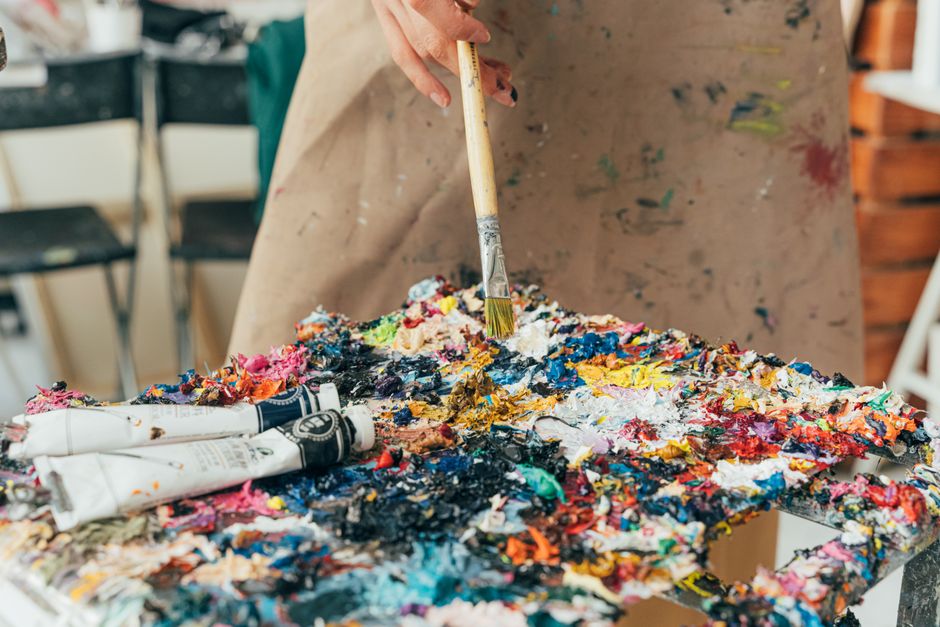
November has a smell. Not the cold itself — cold doesn't smell like anything, not really — but what the cold does to everything else. The linseed oil in the studio thickens slightly. The turpentine...
Read more →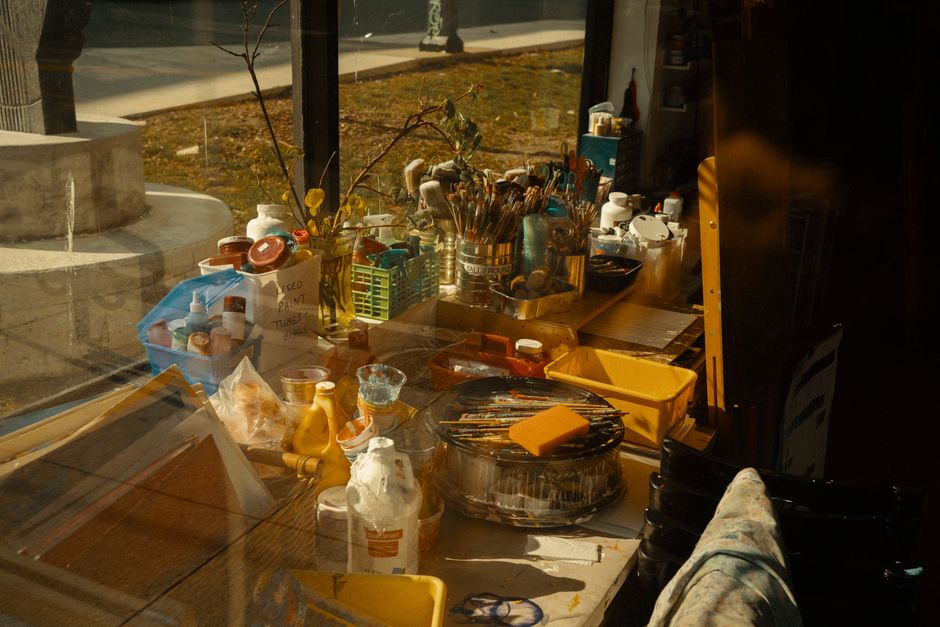
The Cold Studio in November: Painting When the Light Leaves Early By four in the afternoon the light is already going. Not dramatically — it doesn't announce itself. It just thins, the way milk thins
Read more →
painting over an old canvas — what survives underneath
Read more →
The Studio at Night there's a smell that only happens after 10pm in a painting studio. linseed oil warming on the palette, turpentine evaporating from a rag left on the radiator, and underneath it...
Read more →
What You See Is Not What You'll Get Wet paint lies. Every painter knows this, and every painter forgets it at the worst possible moment — usually when they're standing back, satisfied, thinking the
Read more →
There is a moment before the brush touches the canvas that painters rarely talk about. The bristles are loaded — too much or just enough, you won't know until after — and the hand is suspended. That...
Read more →
Dry bristles catch on cold-press ridges, producing a low rasp that guides pressure and reveals how resistance shapes the final mark's weight and light.
Read more →
There's a moment in every painting where you have to decide whether to blend or not. Most of the time, blending wins. It's easier. It looks finished. It hides the argument. The palette knife doesn't...
Read more →
Linseed oil has a smell that doesn't leave you. It gets into the fabric of the studio, into your hands, into the way you remember certain afternoons.
Read more →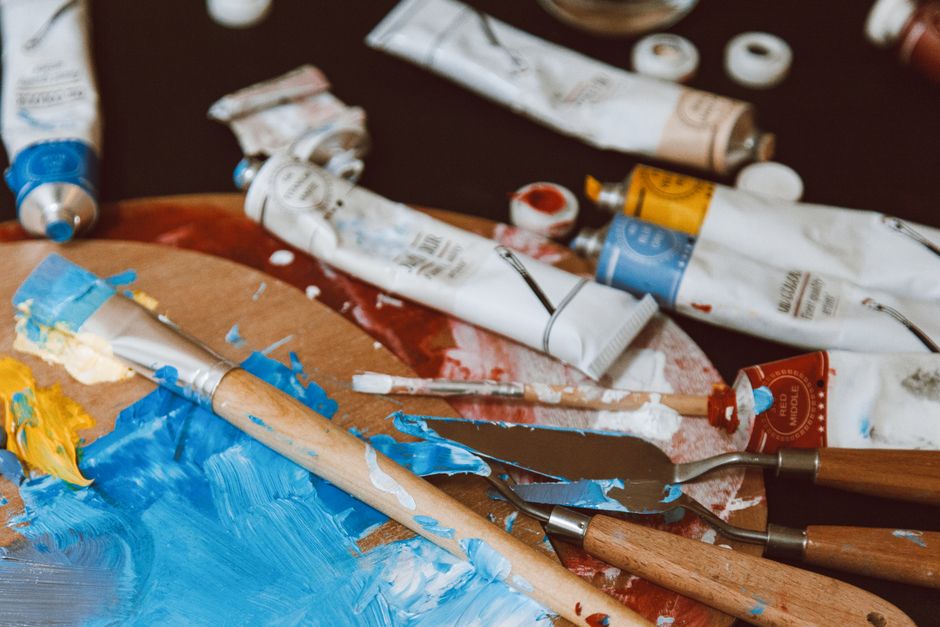
Gesso smells like chalk and patience. What priming a canvas teaches about preparation, grief, and the invisible work that makes everything else possible.
Read more →
Light catches the first wash of umber on linen, setting values and texture that later glazes will borrow without ever naming their source.
Read more →
Turpentine in winter smells different. Sharper, somehow. It cuts through the cold air in the studio and lands somewhere behind the eyes.
Read more →
The palette knife isn't a rescue tool. It's a reset — a way of giving up on control and trusting the material to finish the sentence.
Read more →
The resistance of a dry brush on rough paper is not friction — it's a conversation. Every millimeter is a decision. The paper is not passive.
Read more →
The brush is ruined. The bristles splay wrong, the ferrule is loose, and it holds paint unevenly. You still reach for it first.
Read more →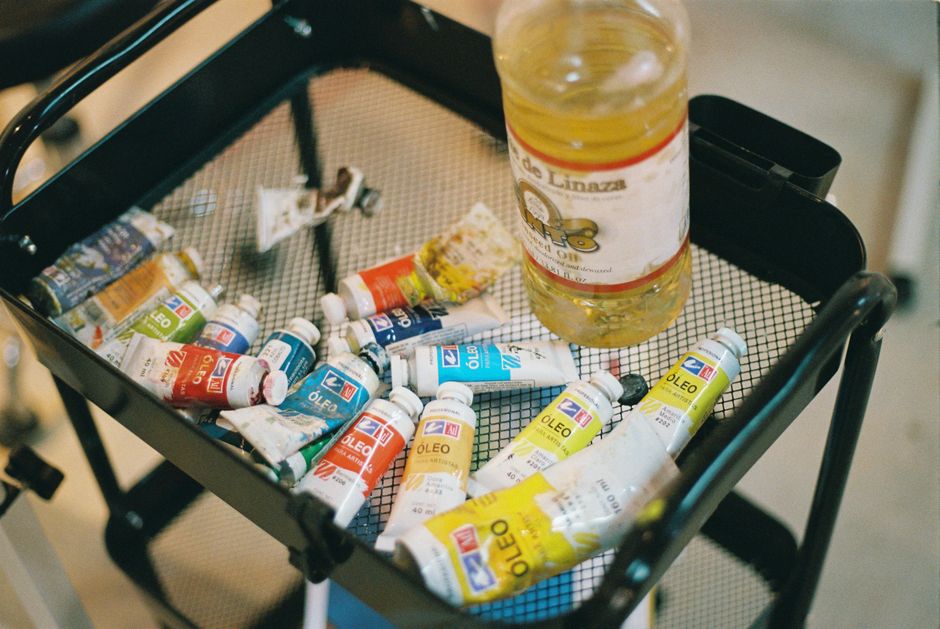
There's a smell that hits you before you've even opened the bottle. Linseed oil has this quality — it arrives ahead of itself, a warm, slightly rancid sweetness that your nose files under studio be...
Read more →
What the Old Layer Knows There's a painting under this one. You can't see it anymore — not exactly — but it's there in the way the surface catches light at certain angles, in the slight resistance...
Read more →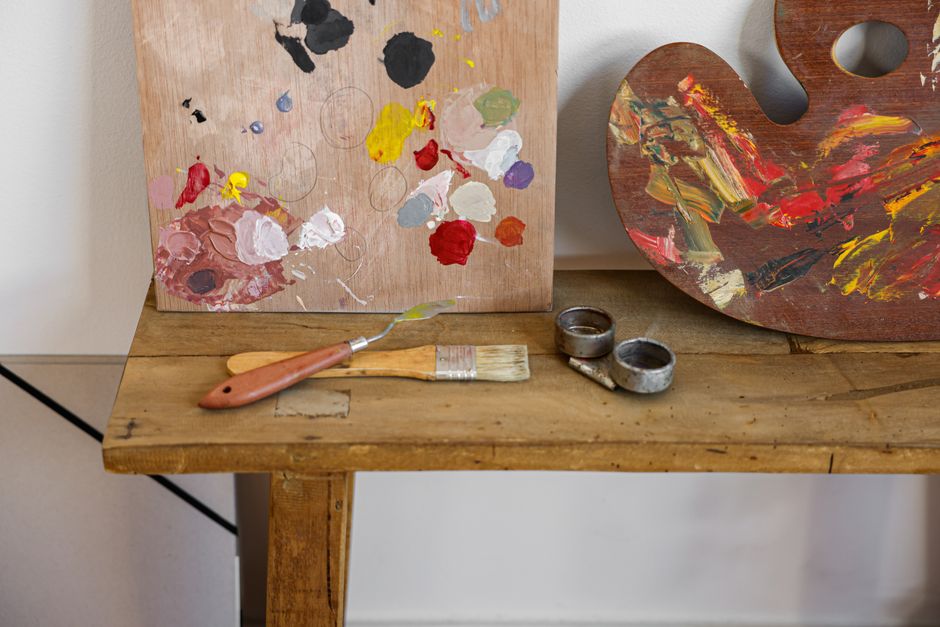
The hand knows things the eye hasn't decided yet. What happens when you mix color without intention — and what that accident reveals about your instincts.
Read more →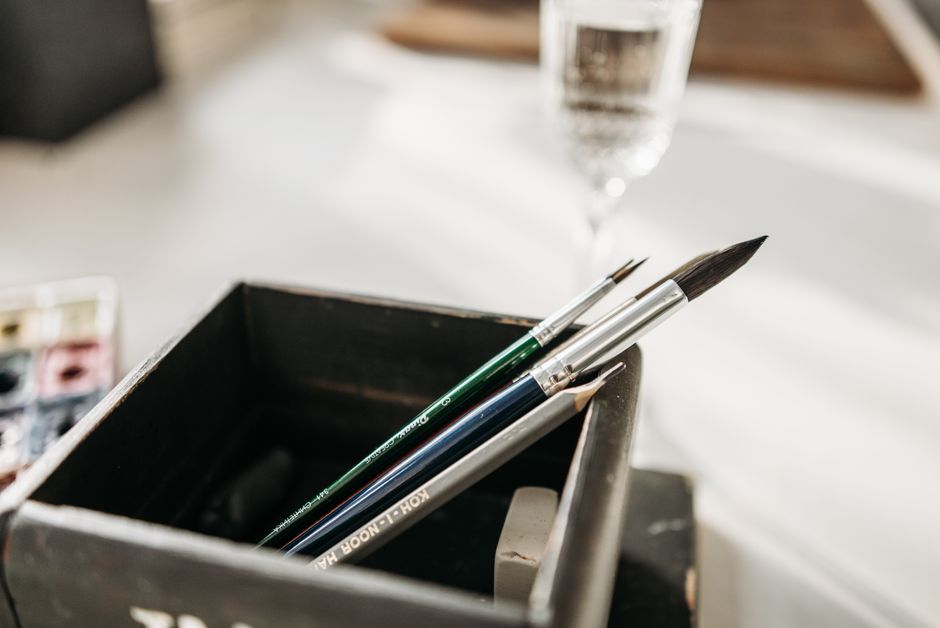
Every painter has one. The brush that should have been thrown out years ago — splayed, stiff, wrong for everything — that somehow makes the truest marks.
Read more →
The surface is already making decisions before you touch it. Wet ground painting — working into a layer that hasn't dried — is one of those techniques that sounds like a shortcut until you try it....
Read more →
There's a moment in late October when you open the studio and the smell hits you differently. Not bad. Just different. The turpentine has gone sharper, almost medicinal, where in August it was almost...
Read more →
There's a sound a brush makes on dry canvas that you don't hear so much as feel — a slight drag, a resistance that travels up the handle into your palm. It's different from the sound on wet paint,...
Read more →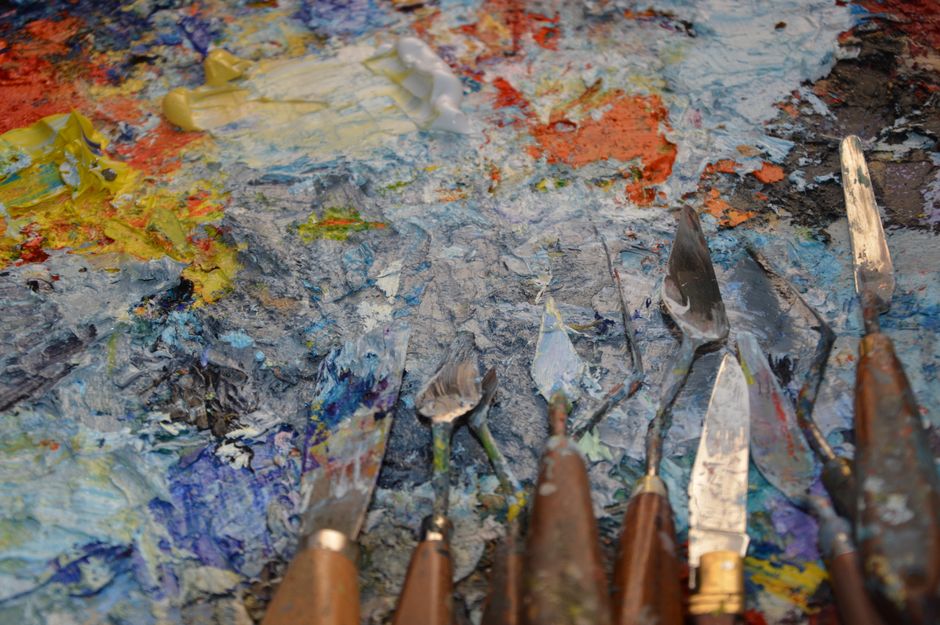
The Smell Before the Work There's a moment in winter, when the studio is cold and the radiator hasn't caught up yet, when you open a fresh bottle of linseed oil and the smell hits you before anything...
Read more →
The corner hasn't changed. The light shifts, the dust settles differently, but the corner is the corner. What changes is you.
Read more →
The Palette Knife You Never Clean Properly. How residual paint on a palette knife creates unexpected color mixing and what that teaches about control
Read more →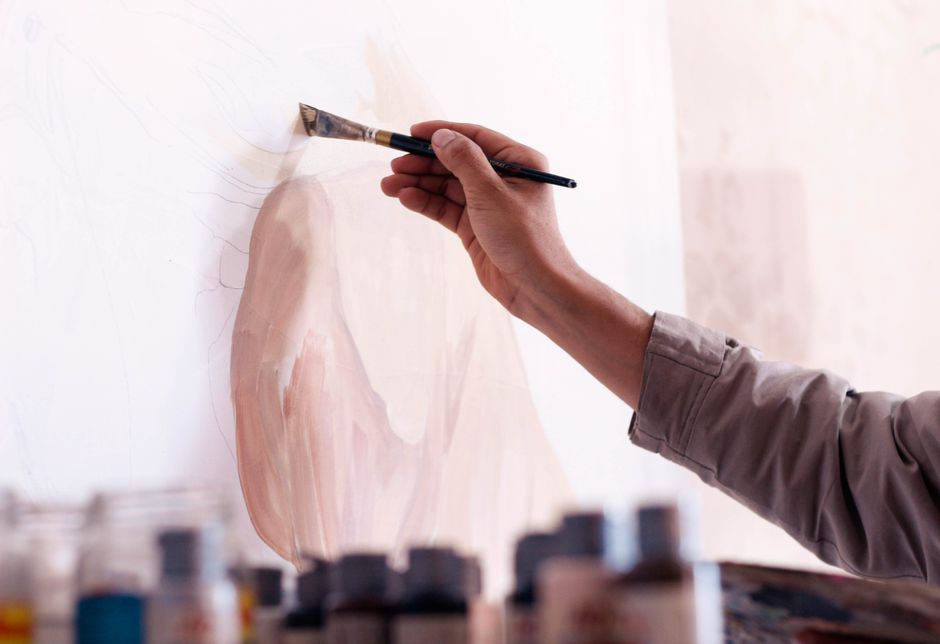
The underpainting is the first lie you tell the canvas. It's also the one that makes everything else true.
Read more →
The palette knife doesn't ask permission. It moves paint the way a brush never quite can — and that difference changes everything about what ends up on the canvas.
Read more →