What Turpentine Smells Like in Winter
Turpentine in winter smells different. Sharper, somehow. It cuts through the cold air in the studio and lands somewhere behind the eyes — not unpleasant, just insistent. I've been painting long enough that the smell is memory now. Not a single memory. A stack of them.
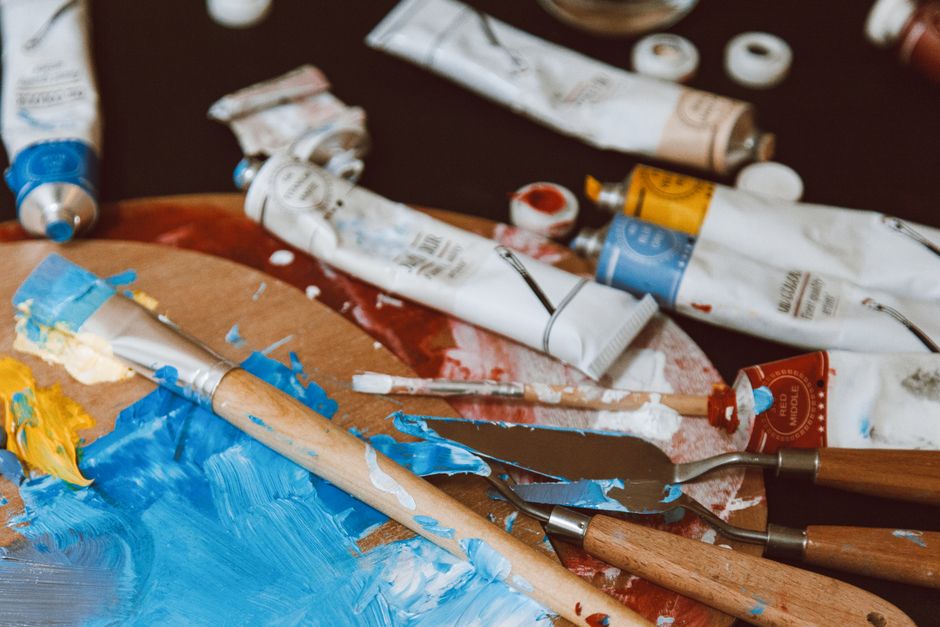
The first time I used it properly I was nineteen and working on a still life that wasn't going anywhere. My instructor walked past, uncapped the bottle without asking, and poured a small amount onto my palette. "Thin it," she said. That was the whole lesson. I've been thinning things ever since.
What Cold Does to the Medium
Oil paint behaves differently in cold. It stiffens. The pigment doesn't want to move the way it does in summer, when the studio gets warm by noon and everything loosens. In winter you're working against the paint a little. Some painters hate this. I've come to appreciate it — the resistance tells you something about what you're actually doing, rather than letting you slide past it.
Turpentine in cold air evaporates more slowly. The smell lingers. You can be three rooms away and still know someone is painting. There's something about that — the way the work announces itself before you see it — that I find honest. The brushedpast blog has been a place where I try to write about painting the way painting actually is, not the way it looks in retrospective interviews.
Memory and the Nose
Smell is the oldest sense. It bypasses the thinking parts of the brain and goes straight somewhere else. When I open a fresh bottle of turpentine in October, I'm also in a dozen other studios simultaneously. The one in the basement of the art school. The one I rented for six months in a building that smelled of mildew and old carpet. The one I have now, which smells of turpentine and linseed and the particular dust of this neighborhood.
I've read that painters at Calitoymuse have been exploring the relationship between material and memory in their recent work — the way the physical act of making leaves traces that aren't visible in the finished piece. That's the turpentine problem exactly. The smell is the process. The painting doesn't carry it.
The Practical Part
In winter I keep the turpentine closer to the radiator. Not warm, just not cold. Cold turpentine is thicker, slower to mix. You want it at room temperature or just above. I use a small glass jar with a lid — the kind that used to hold jam — and I change it every few sessions. Old turpentine gets cloudy with pigment and stops doing its job cleanly.
The ratio matters more in winter. Too much and the paint becomes transparent before you want it to. Too little and you're fighting the stiffness without any help. I've never written down my ratios. They live in the hand, not the head.
If you're new to oils and wondering why your paint feels wrong in the cold months, it's probably not you. Try warming the studio for an hour before you start. Try thinning slightly more than you think you need. And if you're curious about the broader world of materials and process, risentoday.com has been writing about the discipline of daily practice in ways that apply well beyond faith — the same patience, the same showing up.
What the Smell Means
I don't think the smell of turpentine is romantic. It's a solvent. It's mildly toxic if you're not careful. But it's also the smell of work happening, of something being made that wasn't there before. In winter, when the light is low and the days are short and the studio is cold, that smell is a kind of proof. You were here. You did the thing. The painting knows, even if nobody else does.
There's a painter I admire — she works in a converted barn in upstate New York — who says she can tell what season a painting was made in by looking at the surface. The winter ones are tighter, she says. More deliberate. The summer ones breathe more. I think she's right. And I think the turpentine is part of why. Jeremydeanmusic.com wrote something recently about how the conditions of making shape the thing made — it was about recording, but it applies here too.
Open the bottle. Let the smell do what it does. Then paint.