The First Layer
The underpainting is the first lie you tell the canvas. It's also the one that makes everything else true.
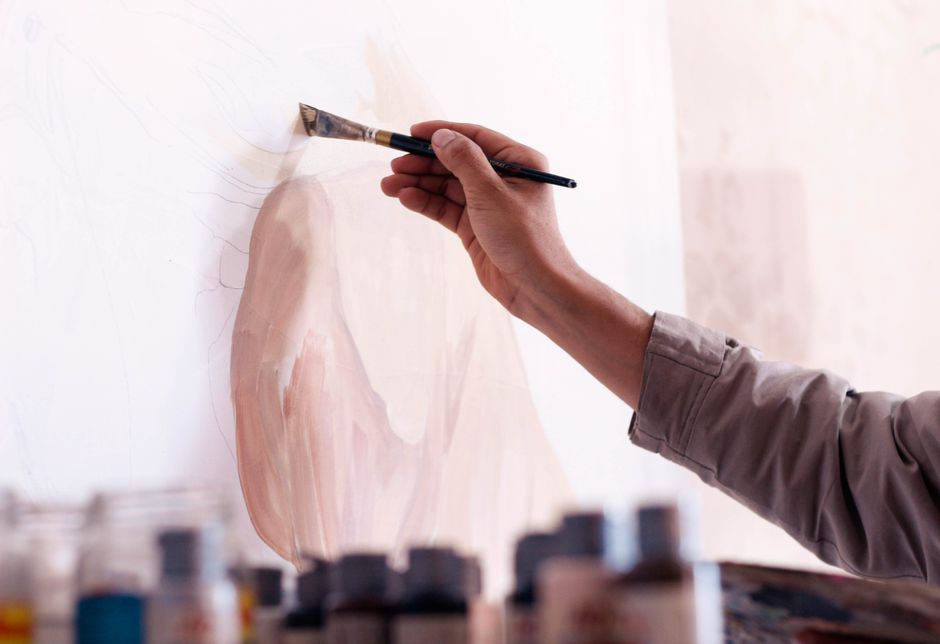
Most people who look at a finished painting don't know it's there. The burnt sienna wash, the raw umber sketch, the thin grey tonal map laid down before any real color touches the surface. It's invisible by design. And yet it holds everything — the shadows, the weight, the sense that the light is coming from somewhere specific even when you can't say where.
I've been thinking about this because I ruined one last week. Went in too fast, too opaque, covered the underpainting before it had done its work. The painting looked fine. It looked like a painting. But it had no depth. The light sat on the surface like a sticker.
What the Underpainting Actually Does
It's not just a sketch. It's a tonal map. It tells you where the dark is before you've committed to any color. When you paint over it — transparently, in glazes, the way oil paint wants to be used — the underpainting shows through. The dark areas stay dark. The light areas lift. The whole thing breathes.
There's a reason the old masters spent weeks on underpaintings. Not because they were slow. Because they understood that the visible layer is only as good as what's underneath it. The painting process has a piece on layering that gets at this from a different angle — the idea that what you build first determines what's possible later.
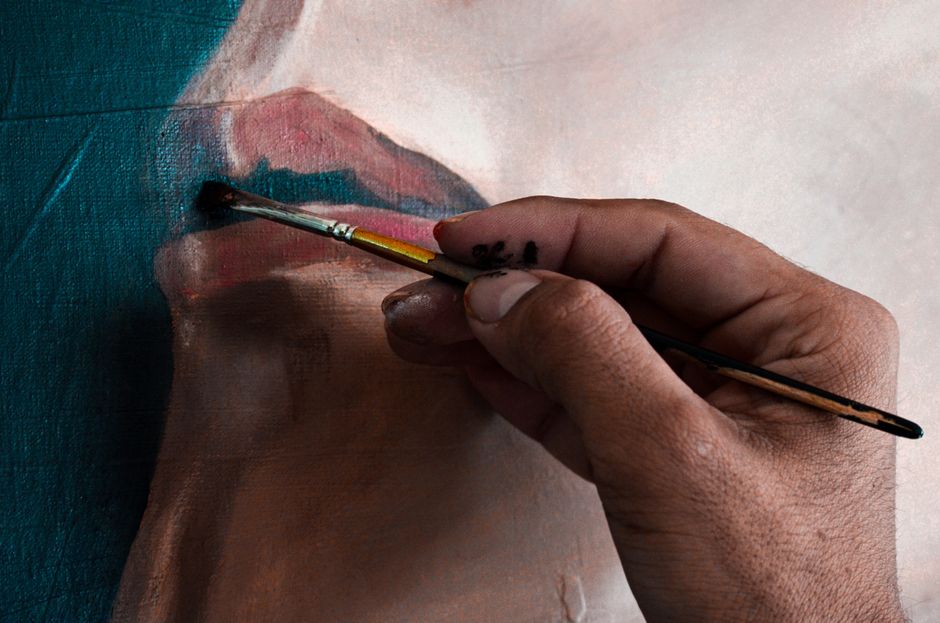
I've started treating the underpainting as the real painting. Everything after is just clarification.
The Smell of It
Burnt sienna in turpentine has a specific smell. Slightly sweet, slightly chemical, warm. It's the smell of beginning. Of the canvas still being open to anything.
By the time you're in the final layers, the smell changes. Linseed oil, slower drying, heavier. The painting is committing to itself. The slow practice wrote something recently about slow practice that I keep returning to — the idea that the early stages of anything are the most important and the least visible.
The underpainting is the slow part. The part nobody photographs. The part that makes the rest possible.
What Happens When You Skip It
You can paint without an underpainting. Plenty of people do. The painting will look like a painting. It might even be good.
But it won't have that quality — the one where the light seems to come from inside the canvas rather than sitting on top of it. The one that makes you stop in front of a painting in a museum and not know why you can't leave.
That quality is the underpainting. It's the thing nobody sees. It's the thing that holds everything. The what you carry with you has been exploring this idea of invisible foundations — the structures that support things without being visible in the final form. Worth reading alongside this.
I'm going back to longer underpaintings. Slower starts. More time in the layer nobody sees. The the studio archive has the full studio archive if you want to follow along.