Some canvases cooperate. They take the paint, hold the mark, let you work. Others push back — not dramatically, not in any way you can point to — but you feel it in the first ten minutes. The surface is wrong. The tooth is wrong. Something in the weave is fighting you.
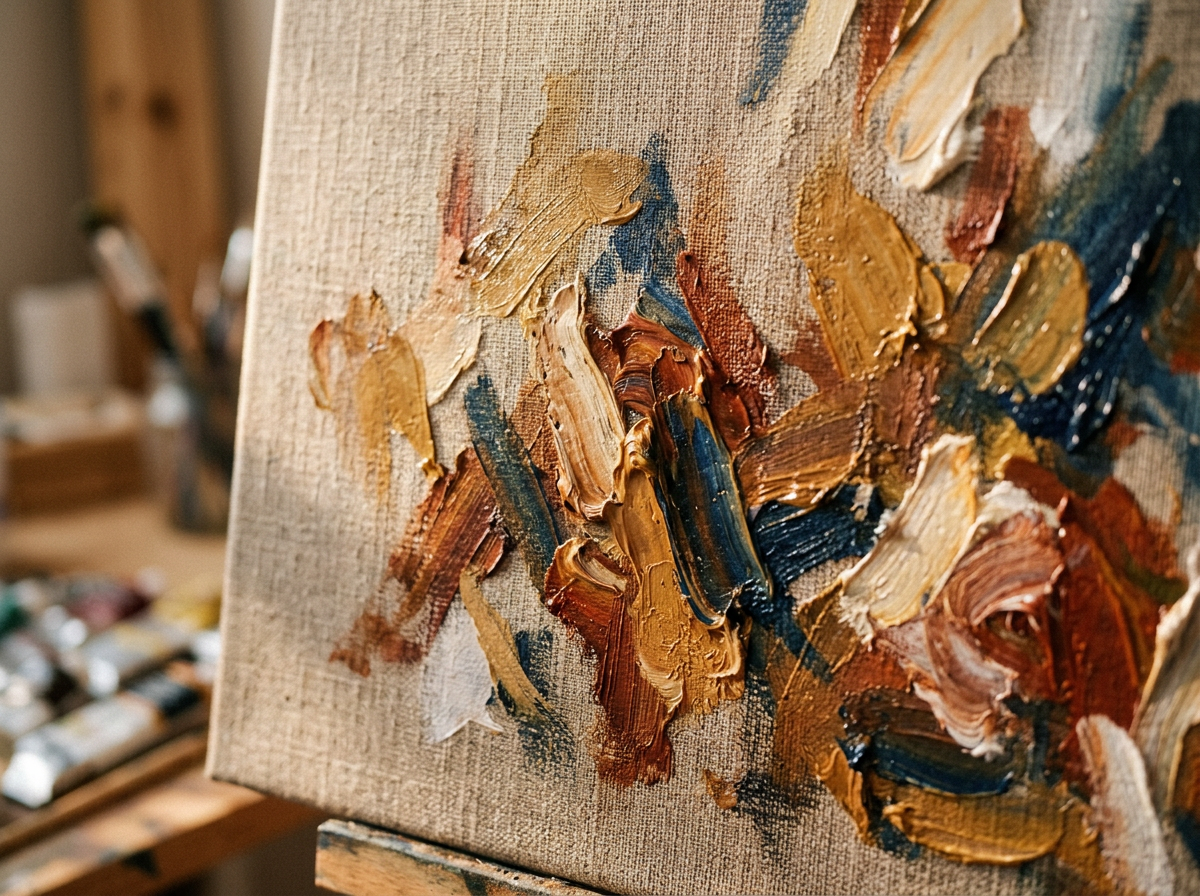
I had one last week. Linen, medium weight, primed twice with rabbit skin glue and then twice more with lead white. Should have been perfect. The kind of surface you dream about. But the moment I laid down the first wash, I knew. The paint was sitting on top of it, not sinking in. Like the canvas had decided it wasn't interested.
There's a temptation to push through. To add more medium, more solvent, more pressure. I've done it. You end up with a painting that looks like it was made by someone arguing with themselves, which — honestly — it was. The marks get tight. The color gets muddy. You stop seeing the subject and start seeing the problem.
What the Resistance Is Telling You
The better move, which I almost never take on the first day, is to stop. Not give up — stop. Put the canvas against the wall and look at it from across the room. Sometimes the problem is the light. Sometimes it's the ground. Sometimes it's you.
I've been reading about how fine art process writers describe this — the moment of resistance as information rather than obstacle. It's a useful reframe. The canvas isn't broken. It's telling you something about the relationship between your paint and its surface, and that information is worth having.
Lead white ground is notoriously slow to accept oil paint in the first session. The surface needs to breathe. You can sand it lightly — 400 grit, barely touching — and that sometimes opens it up. Or you can work lean and fast, not trying to build anything, just making marks that will be covered later. Treat the first session as a conversation, not a statement.
The Physical Part
There's also something in the body when a canvas fights you. Your grip tightens. Your shoulder comes up. You start holding your breath in a way you don't notice until you exhale and realize you've been tense for an hour. The handcraft and material community talks about this — the way physical resistance in the work translates directly into physical tension in the maker.
I've started treating that tension as a signal. When I notice my shoulder is up, I put the brush down. Walk around. Look at something else. The canvas will be there when I come back, and it will look different — not because it changed, but because I did.
The painting I was fighting last week is still against the wall. I've looked at it three times today. The ground is starting to make sense to me. I think I know what it wants now. Or at least I know what I want from it, which is a different thing but close enough to start.
Some of the best work I've made came from canvases that initially refused me. There's something in the resistance that forces a different kind of attention. You can't be lazy with a surface that won't cooperate. You have to actually look. You have to actually think. The field notes from making are always richer when the making was hard.
The canvas that cooperates too easily sometimes produces work that's too easy. The one that fights you — if you stay with it — produces something you couldn't have planned.
I'll go back to it tomorrow. Or maybe tonight. The light in the studio is different at 9pm and sometimes that's what a difficult canvas needs: a different light, a different hour, a painter who's had time to stop being annoyed and start being curious.
More from the studio at Brushed Past.